Your quiet corner of the internet
Built for quiet minds
Built for quiet minds
in a loud world.
Honest, research-backed writing on introversion: burnout, relationships, career and mental health. No "just be more outgoing" advice. A space that actually gets it.
95,000+
readers finding their quiet power. Five topics, zero noise.
The library
Explore by topic
Editor's picks
See everything →
Must-read articles
Most read
Burnout & Energy
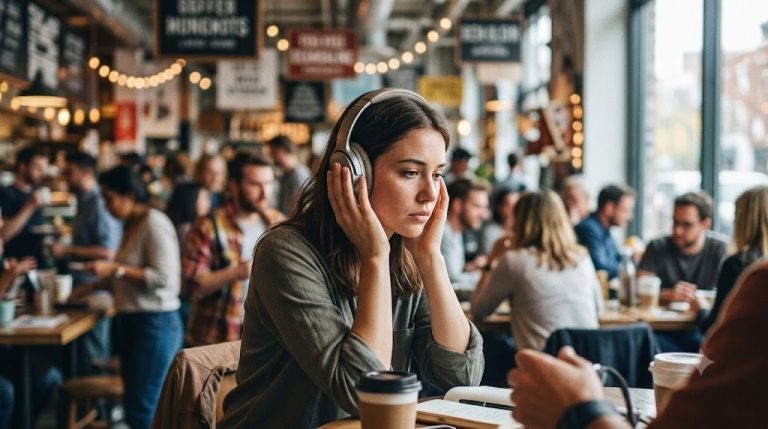
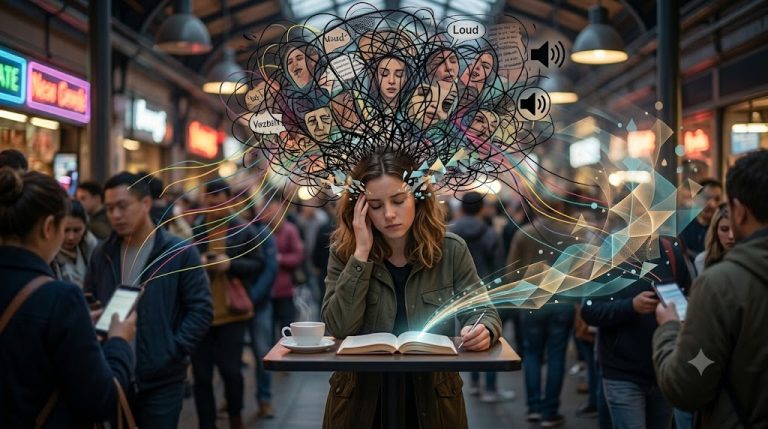
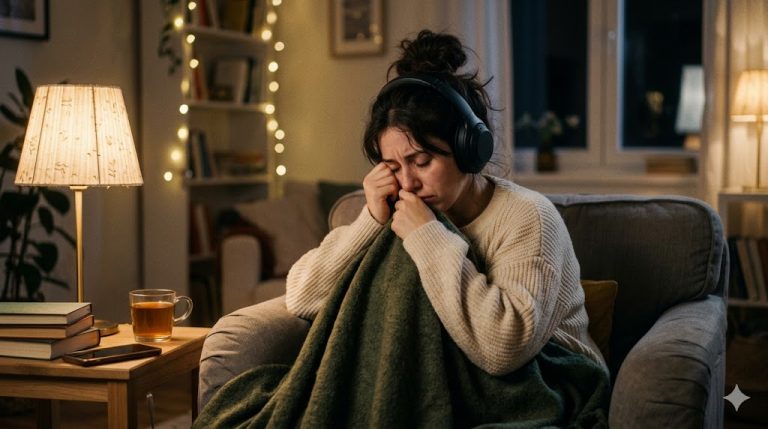
Introvert burnout symptoms: how to know when you're running on empty
Introvert burnout is real, and it goes far beyond being tired. The warning signs, why it happens, and how to come back to yourself before you hit rock bottom.
7 min readRead article → RelationshipsThe introvert love language: how we show and receive love
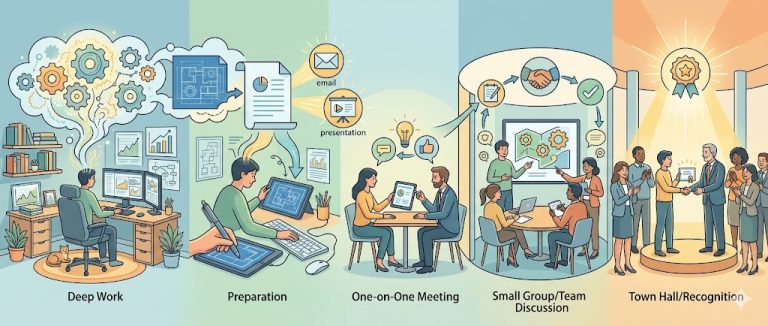
5 min readRead → CareerHighest-paying jobs for introverts in 2026
8 min readRead → Mental HealthSocial anxiety vs. introversion: the real difference
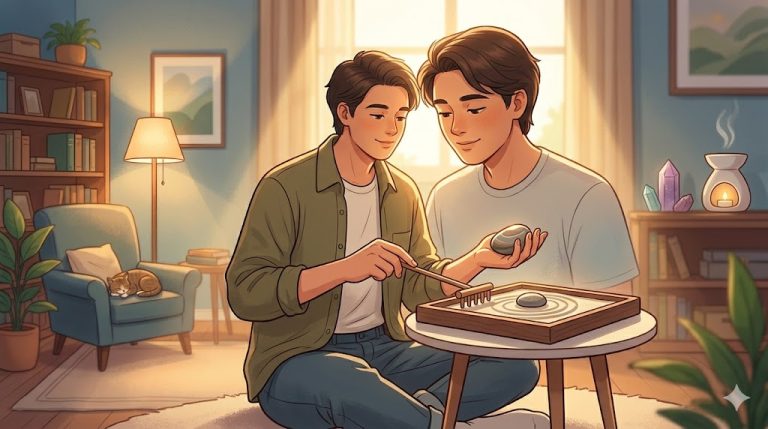
6 min readRead → RelationshipsWhy introverts need alone time in relationships
5 min readRead →
Fresh from the desk
View all posts →
From the blog
Every post written for the quiet ones.
Nothing here yet 🌙
This category is still growing. Check back soon.





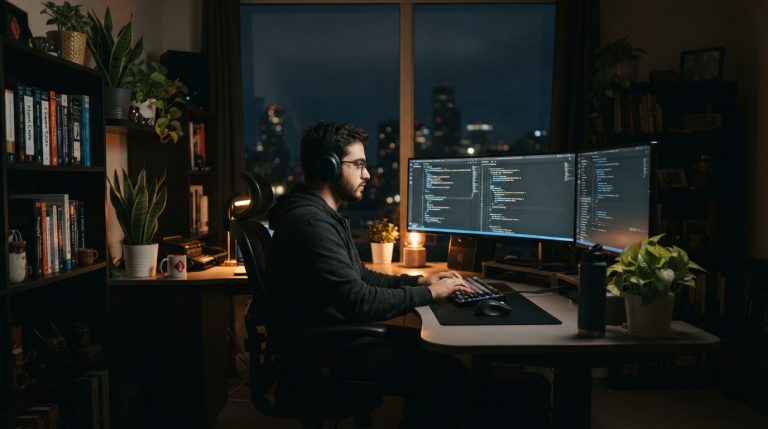

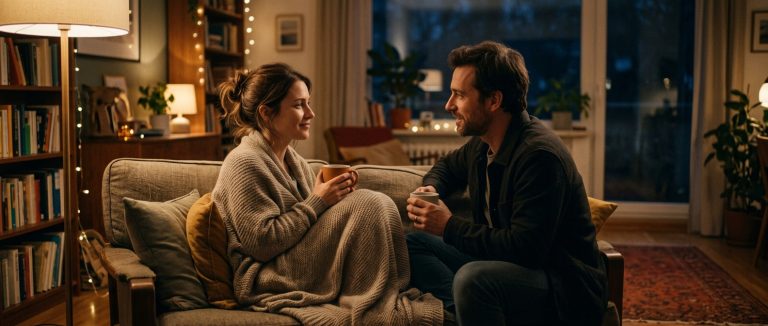












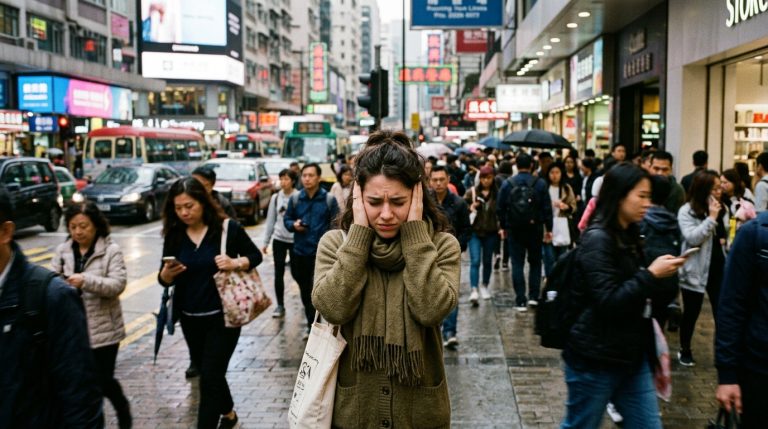

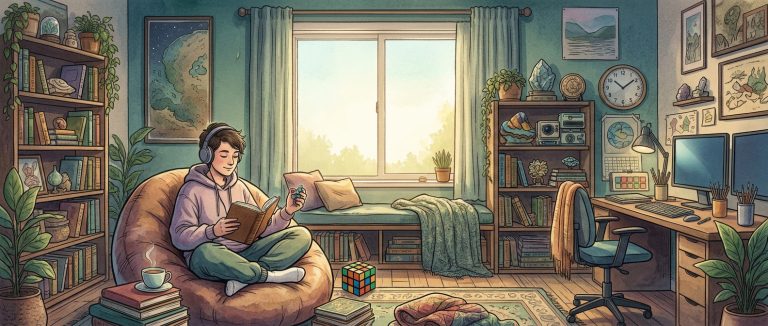































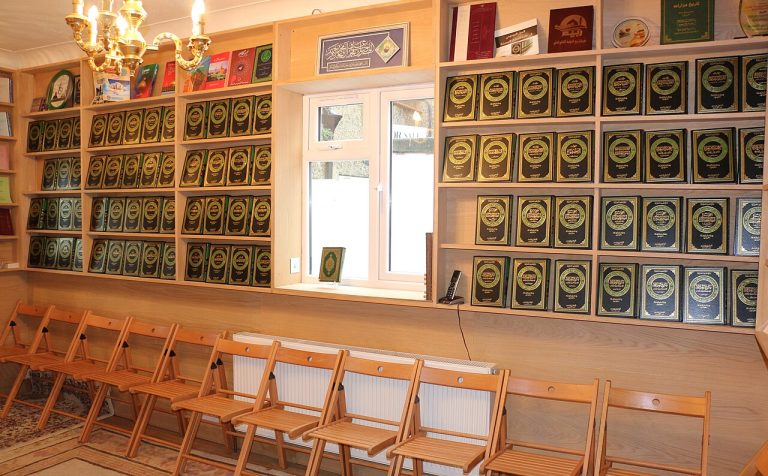
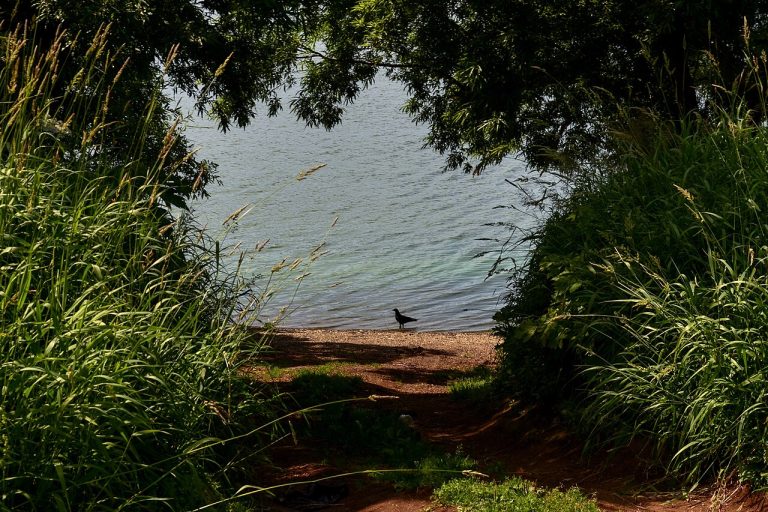
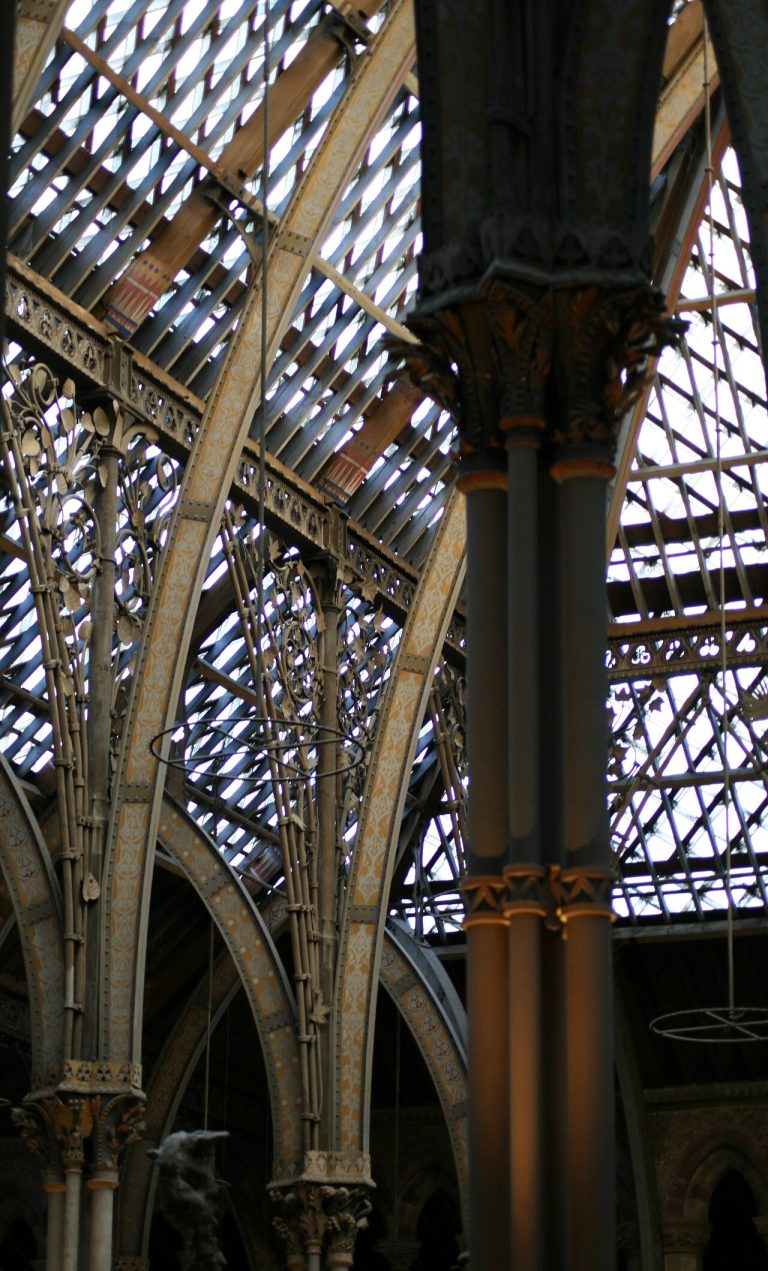


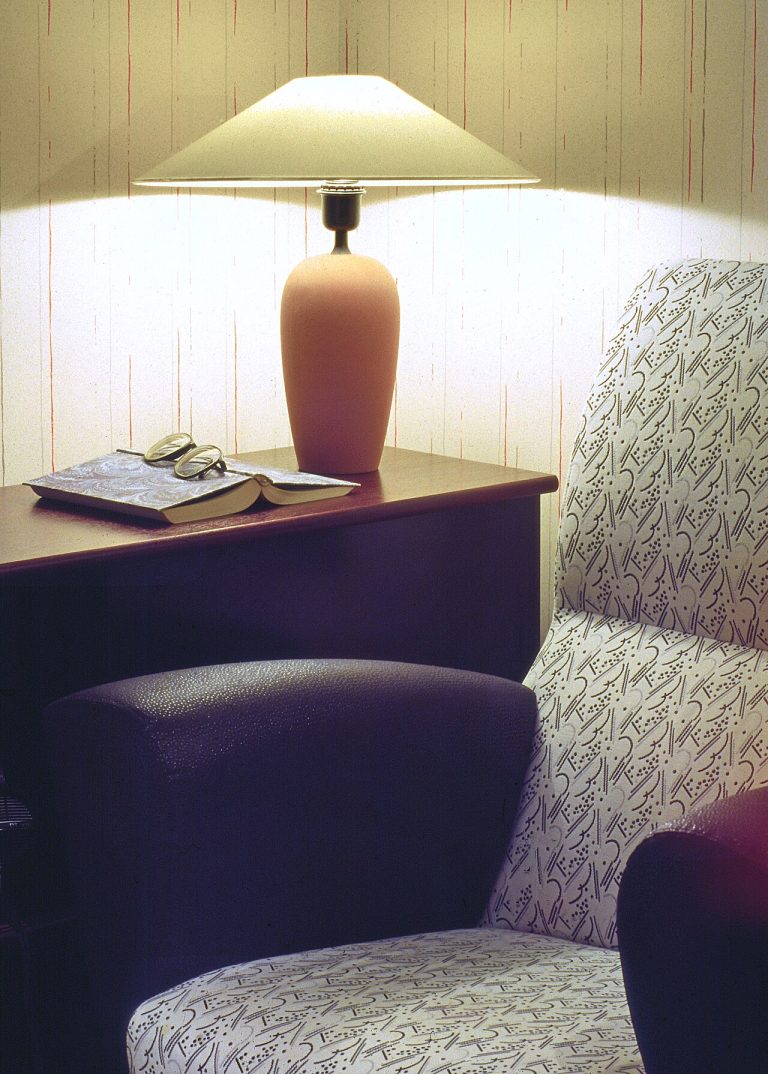
























































































































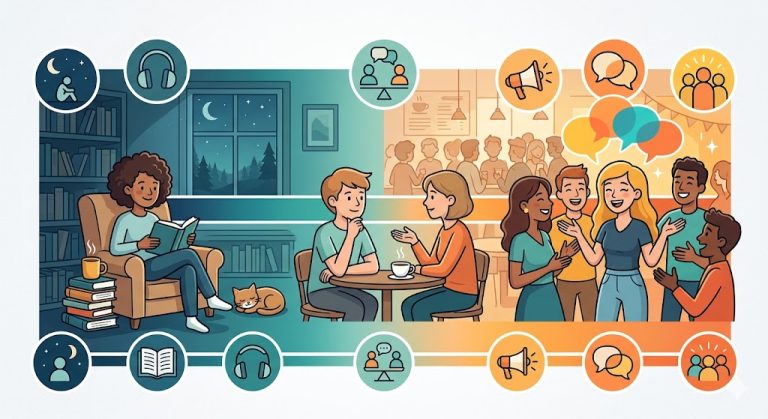

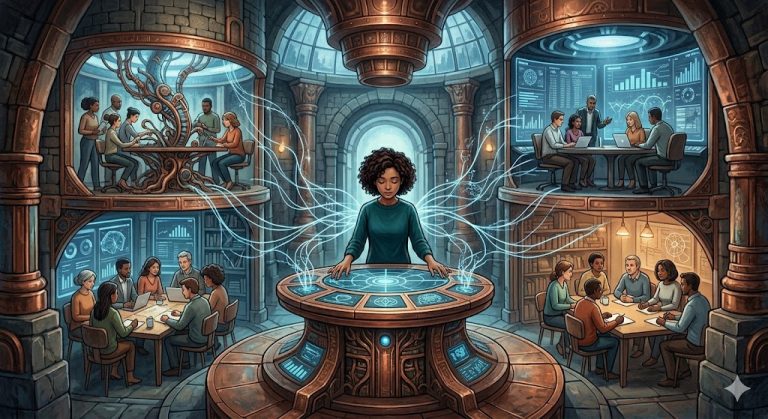



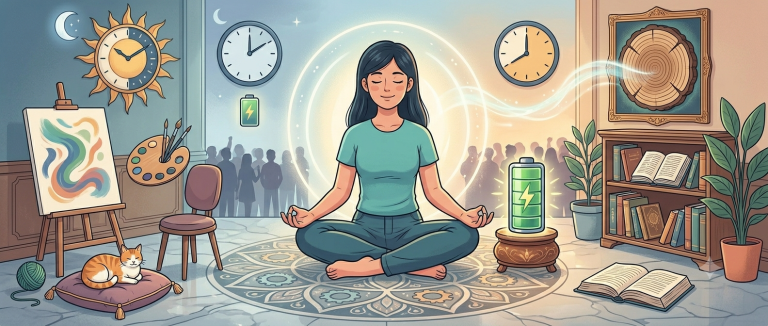
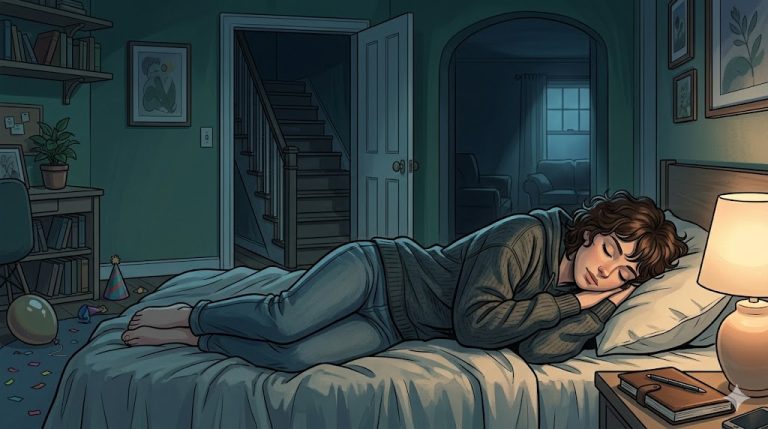




































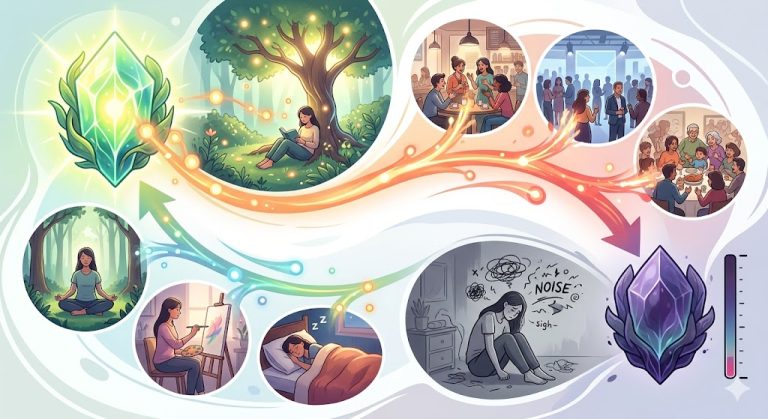
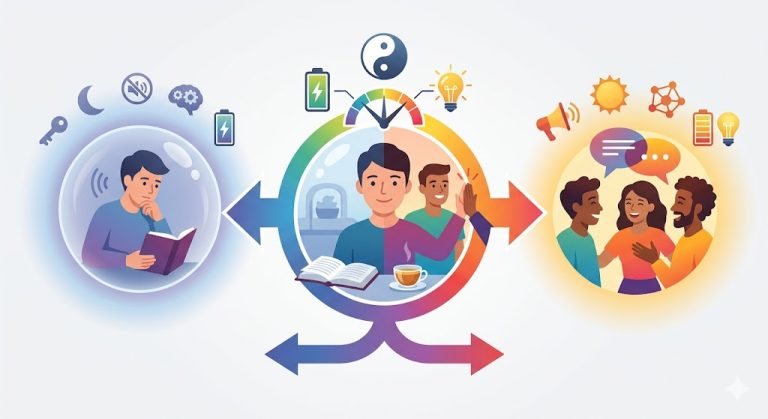


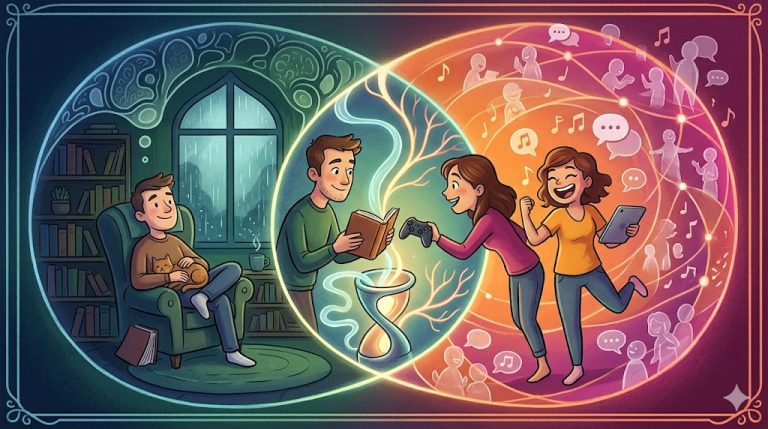




























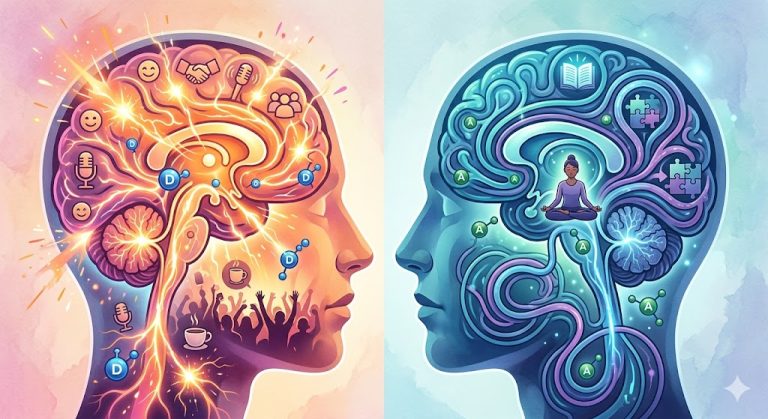

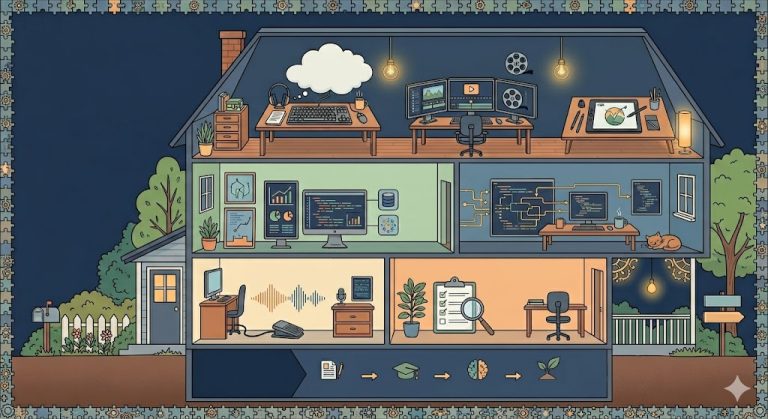
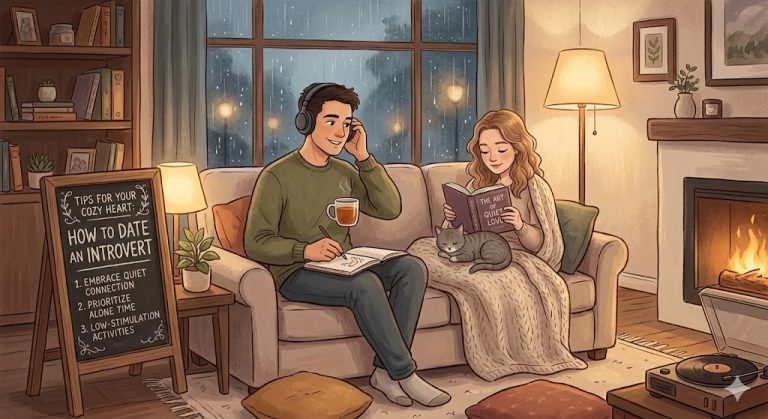
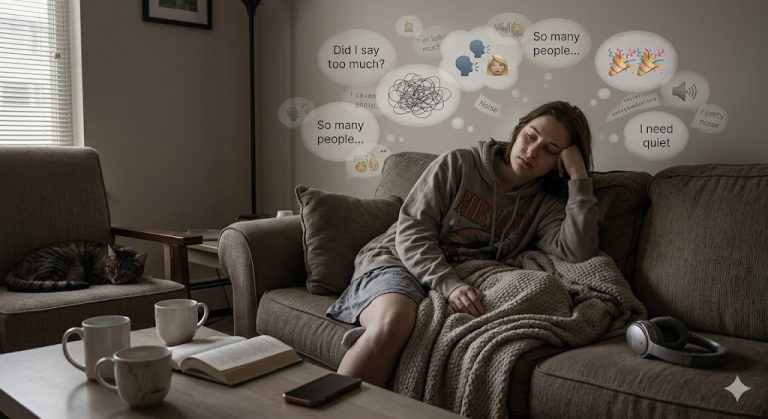




Interactive
Tools for quiet minds
Understand and manage your social energy. Everything runs in your browser; nothing is sent anywhere.
How much alone time do you need? 🌙
Five quick sliders reveal your ideal weekly solitude quota.
Not at allCompletely wiped
Almost noneConstantly
InstantlyDays
NeverAlmost always
Not importantAbsolutely vital
Social battery simulator ⚡
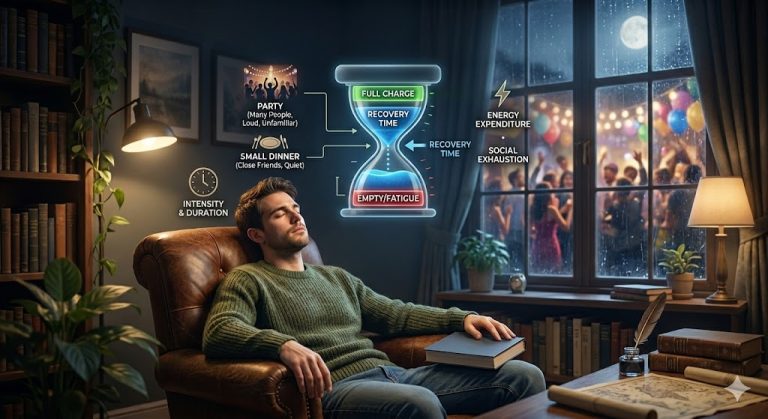
See how different activities drain (or recharge) your battery.
100%
⚡
Drains ▾
Charges ▴
Recent activity
Daily energy tracker 🔋
Log your energy, what charged and drained you, and a quick note. Your data never leaves this browser.
What charged you?
What drained you?
Your energy history
Save your first entry to see your energy history here.
Common questions
Questions we answer
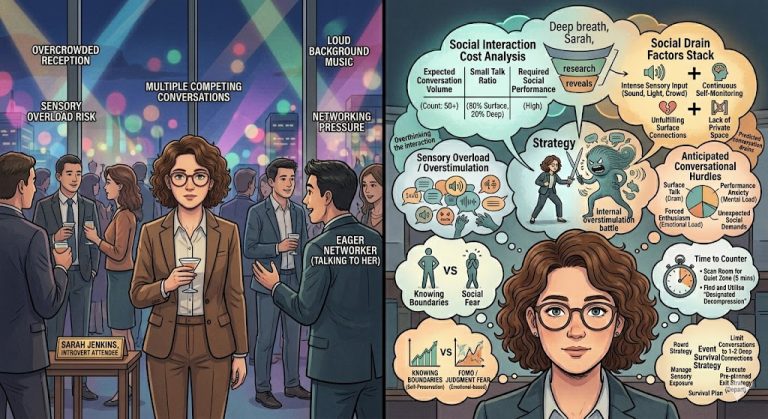
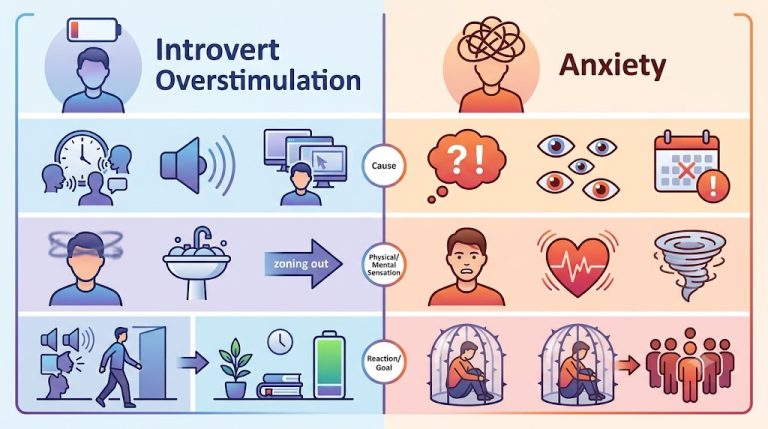
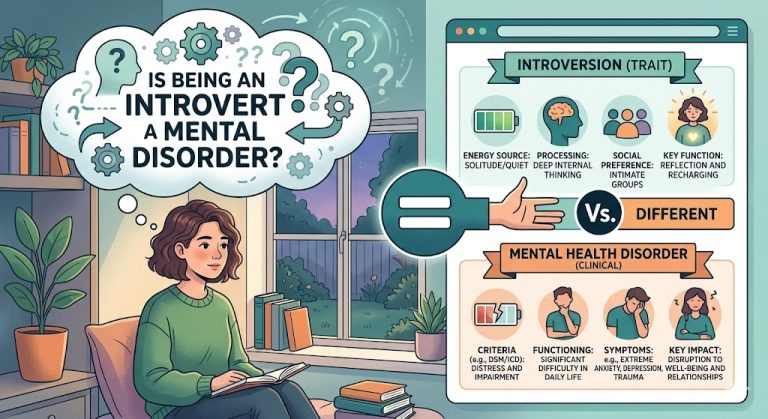
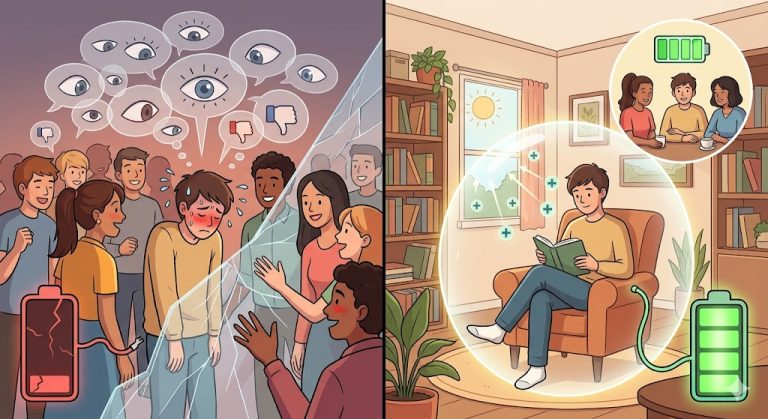
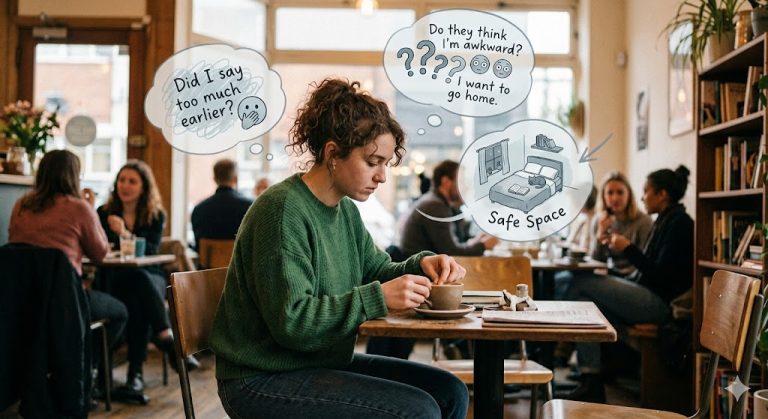
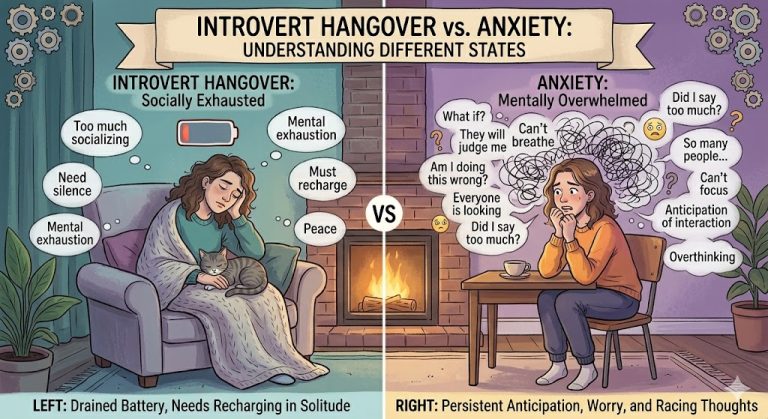
They're different, though they can overlap. Introversion is a personality trait: you prefer calm environments and recharge alone, by choice. Social anxiety is fear-based distress around social situations. Introverts choose solitude because they enjoy it; people with social anxiety avoid socializing because they fear judgment.
Research says yes. Introverted leaders listen more carefully, think before acting, and empower teams to take initiative. Adam Grant's Wharton studies found introverted leaders often outperform extroverted ones with proactive teams. Obama, Gates and Lincoln were all self-identified introverts.
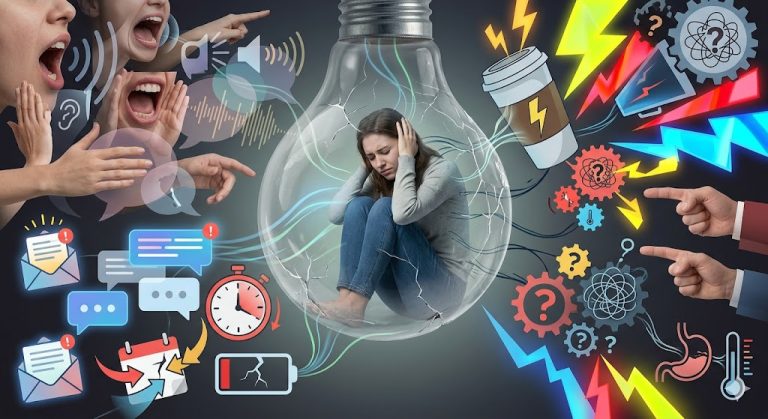
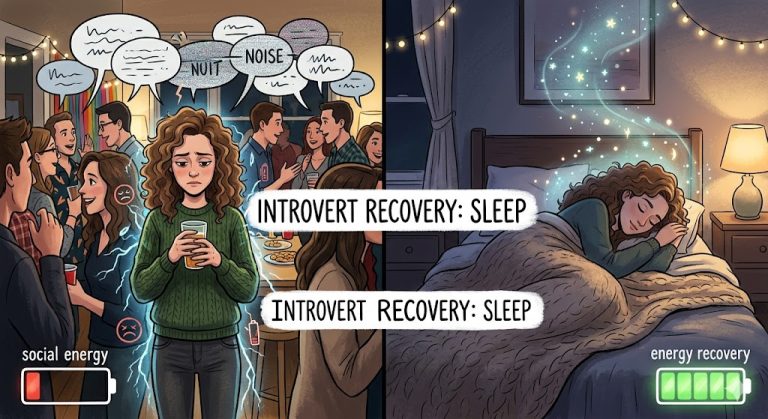
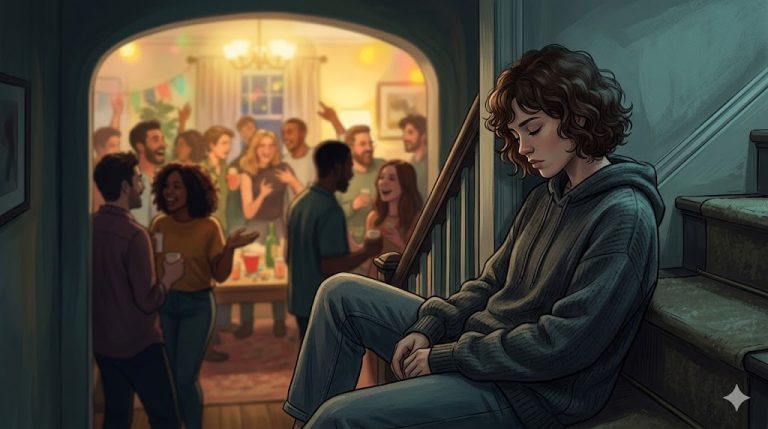
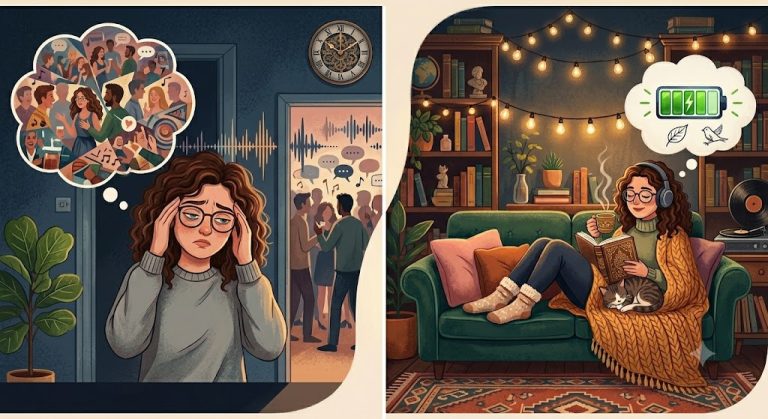
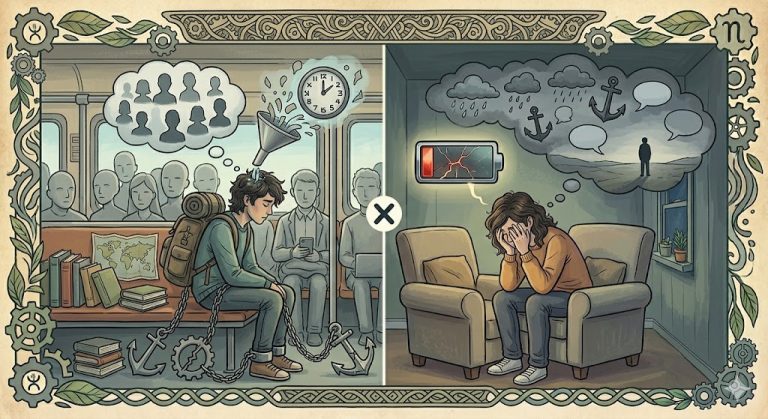
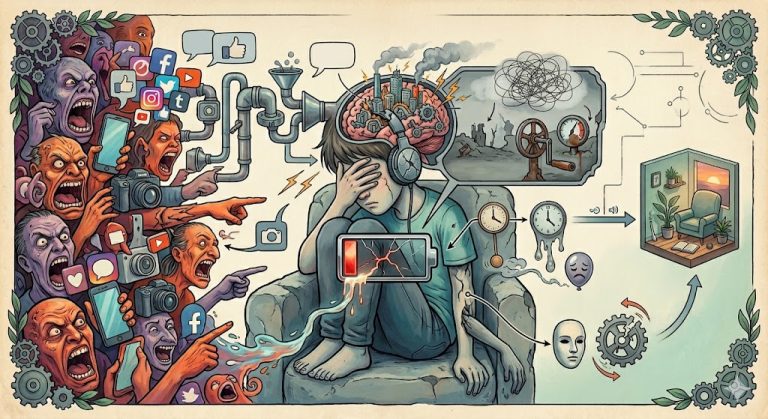
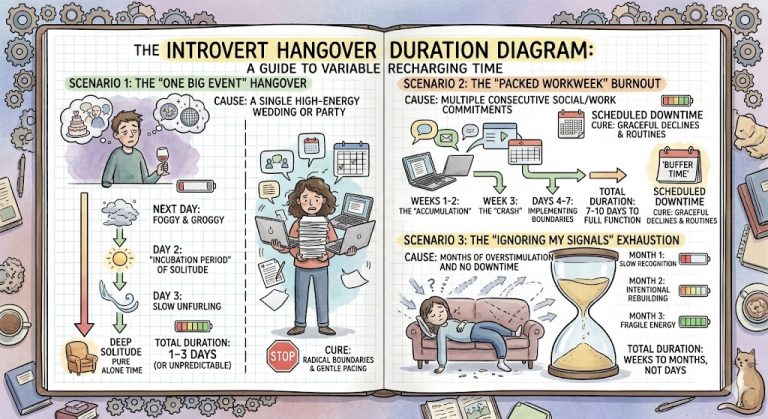
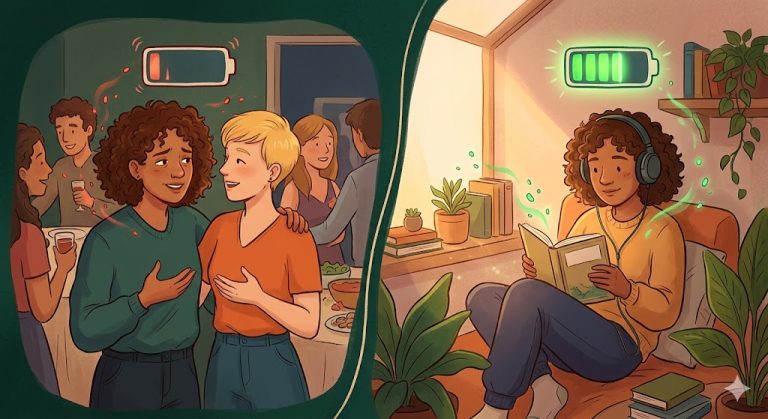
Introvert burnout — the "introvert hangover" — happens when you spend more social energy than you recover. Symptoms: exhaustion, irritability, brain fog, sensory sensitivity, a deep need for solitude. Mild burnout resolves in hours of quiet; months of overstimulation can take days or weeks of guilt-free rest.
No. Introversion is a normal, healthy trait shared by roughly 30–50% of people. It's not in the DSM and needs no treatment. It only becomes a concern when confused with depression, avoidant personality disorder or social anxiety — distinct conditions. Introversion is a strength, not a flaw.
Alone time isn't rejection — it's restoration. Introverts recharge through solitude; without it they become depleted and emotionally unavailable. An introvert who gets enough alone time shows up as a far more present, loving partner than one running on empty.
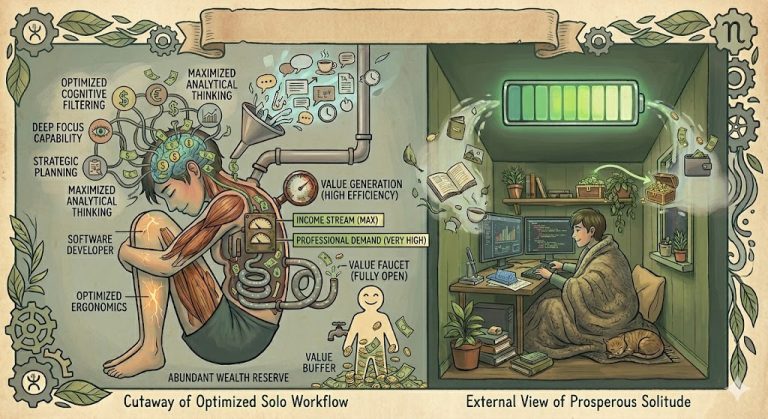
Careers with deep focus, independent work and meaningful (not constant) interaction: software development, writing, data analysis, design, research, accounting, architecture, therapy. Remote work changed the landscape — for many introverts a quiet home office is where they do their best thinking.