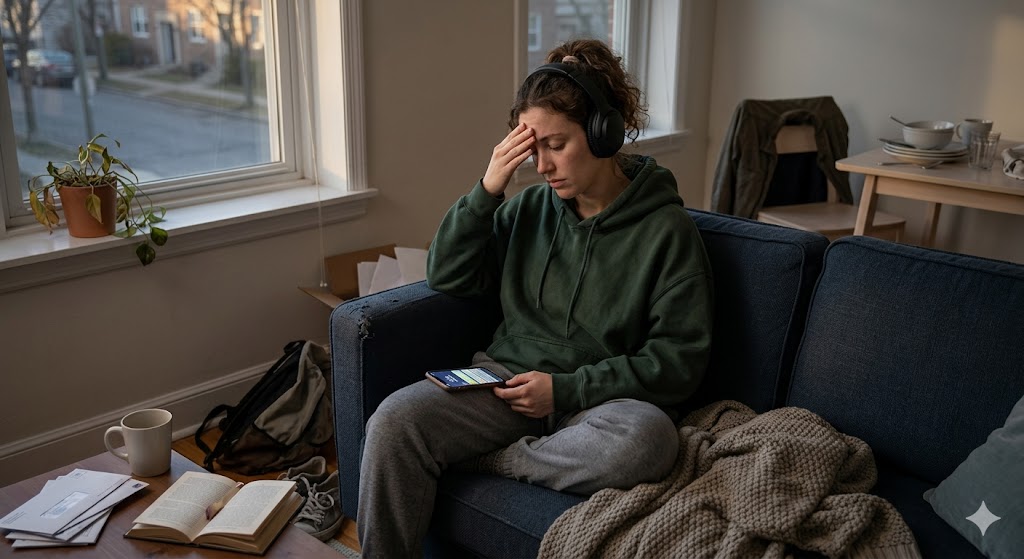
Introvert burnout does not arrive all at once. It accumulates in small, easy-to-dismiss ways until one day you cancel everything, can’t explain why, and need a week of silence to feel like yourself again. If you have been feeling irritable, hollow, or oddly numb after social interaction, this is worth paying attention to. These are not personality flaws. They are signals your nervous system is sending you, and they tend to show up well before full collapse.
What Introvert Burnout Actually Is
Introvert burnout is a state of deep mental and physical depletion caused by sustained overstimulation — too much social contact, noise, decision-making, or emotional output without enough genuine recovery time. It is not shyness. It is not depression, though the two can overlap. It is what happens when your energy reserves run dry and you have not had the solitude needed to refill them.
Neuroscience offers a useful framework here. Introverts tend to have a more reactive nervous system and process information more deeply than extroverts. The neurotransmitter acetylcholine, associated with inward focus and calm satisfaction, plays a larger role in how introverts restore themselves. When social demands keep firing the dopamine-heavy external-stimulation pathways, the system that helps introverts actually recharge gets bypassed entirely.
The result is a kind of social exhaustion that goes beyond tiredness. You are not just worn out. You are running on the wrong fuel, and the debt compounds every day you do not address it.
Patterns That Show Up Early
The early signs of introvert burnout are easy to rationalise away. You might notice that small talk — once manageable — now feels physically unpleasant. Your patience for interruptions, noise, or even pleasant conversation runs out faster than usual. You find yourself snapping at people you care about, then feeling guilty about it without understanding why.
Introvert energy drain at this stage often shows up as a creeping inability to enjoy things that normally restore you. Reading feels effortful. A quiet evening at home does not quite land the way it should. You are seeking solitude but not actually recovering from it, which is a meaningful distinction.
Overstimulation symptoms can also be physical: a dull headache after a meeting, tension in the jaw, needing more sleep than usual but not feeling rested. You might start dreading social obligations days in advance, or feel a specific relief when they get cancelled that goes beyond normal preference.
What Actually Helps
The first and most concrete thing you can do is stop scheduling recovery time around other people’s availability. Solitude is not a luxury you earn after responsibilities. It is maintenance. Block specific hours in your week that are genuinely off-limits to social demand — not just physically alone, but unstimulated: no background TV, no scrolling, no emails that require a response.
When you leave a social event, do not apologise for leaving. Just leave. The ritual of over-explaining your exit costs energy you do not have and trains people to expect justification every time.
Reduce low-value social obligations before high-value ones. It is tempting to cancel the dinner with a friend you actually like because it comes after a draining work week. Notice that pattern and push back on it. Cut the obligatory small talk first — the check-in calls you dread, the group chats you feel pressured to respond to.
Sleep is not optional here. Introvert burnout disrupts sleep quality and then worsens because of it. Protecting your sleep schedule — even imperfectly — does more for social exhaustion than almost anything else.
Finally, write down what specifically drained you this week. Not in a journaling-as-therapy sense, but as data. Patterns become visible when you track them, and visible patterns can be changed.
When to Get Support
If introvert burnout has been building for months, if the numbness has started affecting your work or your closest relationships, or if rest genuinely does not seem to help anymore, that is worth discussing with a professional. A therapist who understands introversion — not one who treats it as a problem to fix — can help you distinguish burnout from anxiety or depression, which require different approaches. You do not need to reach crisis point to ask for help.
A Few Questions Worth Answering
What are the early signs of introvert burnout?
The early signs of introvert burnout are subtle: recovery taking longer, small interactions costing more, and a flatness that arrives before the exhaustion does.
Which introvert burnout warning signs come first?
The introvert burnout warning signs that come first are usually irritability and reluctance to answer messages from people you like.
How do I know am i burning out introvert style?
Am i burning out introvert style is best answered by comparing recovery times to six months ago. The early signs of introvert burnout are relative, not absolute.
Do the early signs of introvert burnout resolve on their own?
The early signs of introvert burnout resolve with a genuine week of reduced load. Left unchanged, they compound rather than plateau.
- How long does introvert burnout last?
-
It depends on how depleted you are and how much genuine recovery you allow. Mild burnout can ease in a few days of low-stimulation rest. Deeper burnout built over months may take weeks to fully lift. The mistake most introverts make is returning to full social load too soon, before the tank is actually refilled.
- Is introvert burnout the same as depression?
-
They can look similar — low motivation, withdrawal, emotional flatness — but introvert burnout is specifically tied to overstimulation and resolves with genuine rest and reduced social load. Depression tends to persist regardless of circumstances. If you are unsure which you are dealing with, a mental health professional is the right person to ask.
- Can introvert energy drain happen even with people you love?
-
Yes. Loving someone does not make interaction cost less energy. When you are already depleted, even enjoyable company accelerates the drain. This is not a measure of how much you care about someone. It is basic neurology, and explaining that distinction — calmly, not defensively — is worth doing.
- What are the physical signs of overstimulation in introverts?
-
Common physical overstimulation symptoms include headaches after prolonged social contact, jaw or shoulder tension, disrupted sleep, and a kind of flat exhaustion that does not improve with ordinary rest. Some people also notice heightened sensitivity to noise or light when they are at their limit.
Introvert burnout is not a character flaw and it is not inevitable. But it does require you to take your own energy seriously — not as an afterthought, but as a real constraint worth planning around. The earlier you recognise the signs, the less recovery costs you.