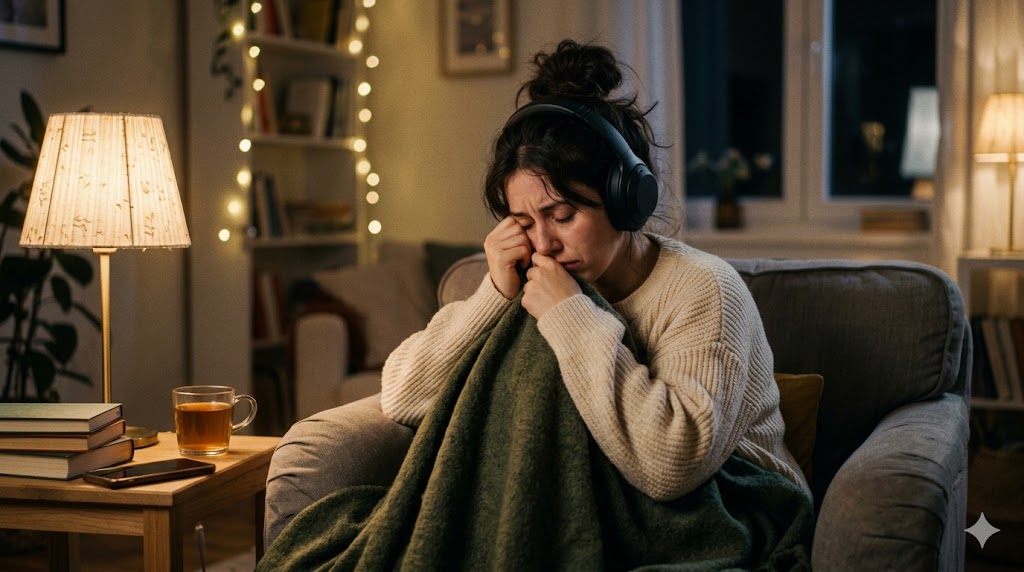
An introvert hangover feels like exhaustion that seeps into your bones after too much social interaction—you’re irritable, mentally foggy, and desperate for solitude even though the event itself was enjoyable. Unlike a typical hangover from alcohol, this overwhelm stems from overstimulation of your nervous system, and recognizing the symptoms early can help you recover before complete burnout sets in.
The Science Behind This
Your brain isn’t designed to punish you for being social—it’s actually following its natural wiring. According to research on personality neuroscience, introverts have higher baseline cortical arousal, meaning their brains are already processing more stimulation at rest than extroverts. When you add social interaction on top of that, your nervous system hits overload much faster.
The neurotransmitter acetylcholine plays a starring role here. Introverts get their dopamine hits from acetylcholine pathways, which are activated during calm, internally-focused activities. Social situations demand different neural pathways—ones that burn through your cognitive resources rapidly. Carl Jung, who first popularized the introvert-extrovert distinction, described this as introverts directing their energy inward to recharge, while social settings force energy outward.
Think of it like running an app that drains your phone battery three times faster than normal. Eventually, you hit critical low-power mode, and that’s your introvert hangover kicking in.
Signs and What It Looks Like
The symptoms hit differently for everyone, but certain patterns emerge consistently. Physical exhaustion tops the list—you feel like you’ve run a marathon even though you just attended a dinner party. Your body might feel heavy, your eyes burn, and even lifting your arms to type feels effortful. Mental fog follows close behind: you lose your ability to articulate thoughts clearly, forget simple words, or can’t focus on basic tasks.
Emotional symptoms are equally telling. You become irritable over minor things—the sound of chewing, someone asking a simple question, or having to make one more decision about anything. You might feel an almost physical need to be alone, experiencing genuine distress if you can’t escape to solitude. Some introverts report feeling “hollow” or disconnected, as if their personality has temporarily flatlined.
Sensory sensitivity amplifies dramatically. Lights seem brighter and harsher, normal conversation volumes feel like shouting, and even comfortable clothes suddenly feel restrictive. You might notice yourself craving silence so intensely that even background music becomes unbearable. The urge to cancel all upcoming plans becomes overwhelming, and the thought of another social obligation triggers genuine anxiety.
A Real-Life Example
Jordan experienced a classic introvert hangover after their company’s three-day conference. The first day felt manageable—networking during coffee breaks, attending presentations, joining the team dinner. By day two, Jordan noticed they were avoiding eye contact and giving one-word answers. On day three, they hid in their hotel room during lunch, physically unable to face the cafeteria noise.
The real crash came after returning home. Despite being “off duty,” Jordan couldn’t enjoy their weekend. They snapped at their partner for asking about dinner plans, couldn’t focus enough to read their favorite book, and spent hours lying in bed staring at the ceiling—too drained to even watch TV but too wired to sleep. It took four full days of minimal interaction before Jordan felt like themselves again.
What You Can Do About It
Prevention works better than cure. Before big social events, bank extra alone time—schedule a buffer day afterward with nothing planned. During the event itself, take strategic breaks: step outside, find a quiet corner, or excuse yourself to the bathroom for five minutes of silence. These micro-recoveries prevent complete depletion.
When the hangover hits, honor it rather than fighting it. Cancel non-essential plans without guilt. Your nervous system needs genuine rest, not forced productivity. Create a recovery sanctuary: dim lighting, comfortable clothes, no unnecessary stimulation. Some people find gentle activities like walking in nature or taking a bath helpful, while others need complete stillness.
Resist the urge to scroll social media or binge-watch intense shows—your brain interprets these as continued stimulation. Instead, opt for genuinely restorative activities: reading, listening to instrumental music, light stretching, or simply sitting with your thoughts. Eat nourishing food and stay hydrated, as physical depletion compounds mental exhaustion.
Build better boundaries for the future. You’re allowed to decline invitations, leave events early, or request video calls instead of in-person meetings when you’re already depleted. Communicate your needs clearly: “I’m quite drained this week and need to recharge” is a complete explanation that requires no justification.
When to Seek Help
Most introvert hangovers resolve with adequate rest, but persistent symptoms warrant attention. If you’re experiencing constant exhaustion despite regular solitude, severe anxiety about any social contact, or complete inability to function socially even when rested, consider consulting a mental health professional. These might signal social anxiety disorder, depression, or burnout rather than typical introvert overwhelm. Additionally, if you’re using isolation as avoidance rather than genuine recharging, or if your relationships and work performance are suffering despite accommodating your needs, professional support can help distinguish between healthy introversion and clinical concerns.
Frequently Asked Questions
How long does an introvert hangover typically last?
Recovery time varies based on the intensity and duration of social exposure, but most people bounce back within 24 to 48 hours of genuine rest. Major events like conferences or weddings might require three to five days. The key factor isn’t time alone but quality of recovery—uninterrupted solitude works faster than partial breaks.
Can extroverts experience social hangovers too?
Yes, though they’re less common and usually triggered by different circumstances. Extroverts might feel drained after particularly draining social situations—toxic environments, conflict-heavy interactions, or forced socializing with people they dislike. However, general socializing typically energizes rather than depletes them, unlike introverts who drain from even pleasant interactions.
Is an introvert hangover the same as social anxiety?
No, they’re distinct experiences. Social anxiety involves fear and worry about social judgment or embarrassment, often occurring before and during events. Introvert hangovers are purely about nervous system depletion after socializing, regardless of how the event went. You can have a wonderful time and still crash afterward—that’s introversion, not anxiety.
Why do I get hangovers even from socializing with close friends?
Introversion relates to stimulation levels, not affection. Even beloved people require your brain to process social cues, maintain conversation, and regulate your external presentation. Close friends feel easier because you can be more authentic, but the neural processing still drains your energy reserves. It’s not personal—it’s neurological.
Recognizing your introvert hangover symptoms isn’t admitting weakness—it’s understanding your operating system. The more you honor these signals and build recovery time into your life, the more sustainable your social engagement becomes. You’re not broken for needing solitude after connection; you’re simply wired to recharge differently, and that deserves respect.