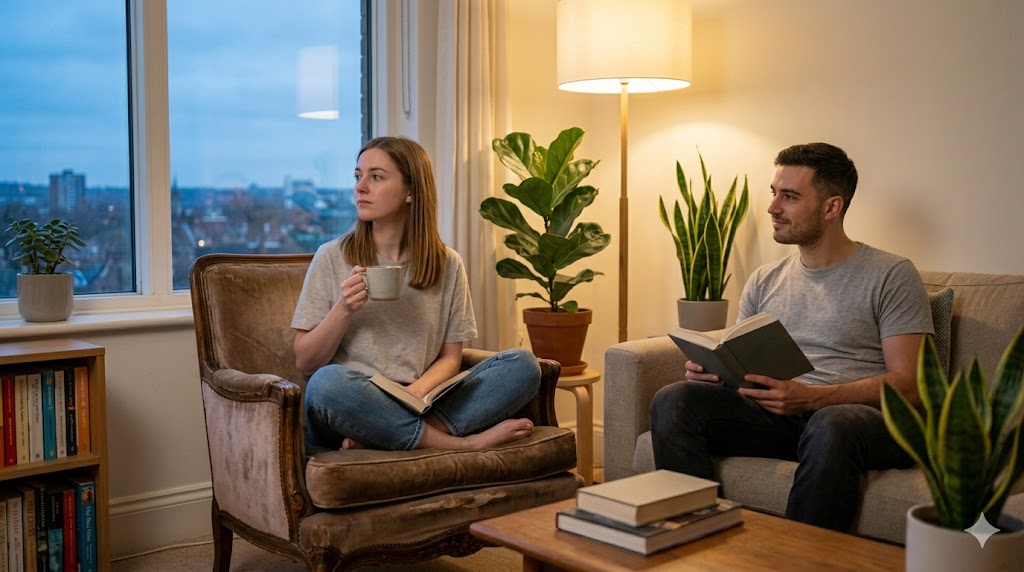
How does introversion affect relationships? Introversion affects relationships primarily through energy management, communication preferences, and the way deep connections form. Introverts typically need solitude to recharge after social interaction, prefer meaningful one-on-one conversations over group settings, and build intimacy gradually through sustained depth rather than instant rapport. Understanding these patterns helps both introverts and their partners navigate relationship dynamics more successfully.
The Science Behind This
Carl Jung first distinguished introversion from extroversion in the 1920s, describing it as a fundamental orientation of psychic energy. Modern neuroscience has revealed that introverted brains show higher baseline activity in the frontal lobes and anterior thalamus, regions associated with internal processing and planning. This heightened internal stimulation means introverts reach optimal arousal levels more quickly than extroverts, making them more sensitive to external stimulation including social interaction.
Research by psychologist Marti Olsen Laney found that introverts rely more heavily on acetylcholine, a neurotransmitter associated with reflection, planning, and long-term memory. This pathway is longer and more complex than the dopamine-reward pathway extroverts favour, which explains why introverts gain satisfaction from quiet, contemplative activities and deeper conversations rather than high-stimulation social environments. In relationships, this neurological difference translates into distinct patterns of connection, conflict resolution, and intimacy building.
The Big Five personality research consistently shows that introversion correlates with preferences for smaller social networks but often deeper individual relationships. Introverts typically report fewer but more meaningful friendships, investing their limited social energy into quality connections rather than maintaining broad social circles. This selectivity isn’t antisocial behaviour but rather an efficient allocation of a finite resource.
How Does Introversion Affect Relationships?
Introversion significantly shapes how a person navigates, builds, and maintains relationships. Because introverts draw their energy from within and process the world internally, their approach to connection tends to prioritize depth, intention, and quiet intimacy over broad social networks and high-stimulation environments.
Here is a breakdown of how introversion influences both the strengths and the potential challenges within relationships:
Strengths Introverts Bring to the Table
- Preference for Deep Connection: Introverts generally prefer a small circle of close, trusted individuals over a large group of casual acquaintances. In relationships, this translates to a desire for profound emotional intimacy and meaningful, authentic bonds.
- Active and Empathetic Listening: Because they naturally prefer listening to speaking, introverts are often highly attuned to their partner’s or friend’s needs. They tend to give others their undivided attention, making the people they care about feel truly heard and validated.
- Thoughtful Communication: Introverts usually process their thoughts internally before speaking out loud. While they might not be the most spontaneous communicators, the words they choose are typically careful, deliberate, and sincere.
- Low-Maintenance Quality Time: Introverts thrive in calm environments. They often find immense joy in simple, shared activities—like reading in the same room, watching a movie, or having a quiet dinner—making them comfortable and grounding companions.
Common Challenges and Misunderstandings
- The Need for “Recharge” Time: Socializing, even with a beloved partner, drains an introvert’s social battery. They require periods of complete solitude to decompress. To an extroverted partner, this need for space can sometimes be misinterpreted as withdrawal, distance, or a lack of interest.
- Conflict Resolution Styles: In the heat of an argument, introverts can easily become overstimulated. They may need to step away from the conflict to organize their thoughts, which can frustrate partners who prefer to hash things out immediately.
- Differing Social Capacities: Compromise is often required when one partner wants to attend parties, network, or host gatherings, while the introverted partner prefers to stay home. Balancing these different social needs is one of the most common hurdles in introvert-extrovert pairings.
- Reluctance to Open Up Quickly: Introverts can be highly private and take longer to reveal their inner worlds. It requires patience from their partners to build the trust necessary for an introvert to fully let their guard down.
Navigating the Dynamics
For any relationship involving an introvert to thrive, communication is key. When an introvert clearly explains that their need for alone time is about energy management rather than rejection, it prevents unnecessary hurt feelings. Conversely, when their partners understand and respect this boundary without taking it personally, it creates a secure environment where the introvert can truly flourish.
Signs and What It Looks Like
So how does introversion affect relationships? day to day. In romantic relationships, introverted partners often need explicit alone time after work, social events, or even quality time together. They might retreat to a separate room, take long walks, or engage in solitary hobbies without it reflecting dissatisfaction with the relationship. This energy management can confuse extroverted partners who recharge through connection and may interpret withdrawal as rejection or disinterest.
Communication patterns differ significantly as well. Introverts typically process information internally before speaking, meaning they may need time to consider questions about feelings, plans, or conflicts rather than responding immediately. During disagreements, they often prefer to step back, reflect, and return to the conversation later with clarity. They excel at written communication—texts, emails, and letters—where they can craft thoughtful responses without the pressure of real-time verbal exchange.
When it comes to social activities as a couple, introverts generally prefer intimate dinners with close friends over large parties, quiet weekends at home over bustling festivals, and deep conversations over small talk at networking events. They tend to leave social gatherings earlier and may need recovery time afterward, even if they genuinely enjoyed themselves. In friendships, introverts maintain fewer but longer-lasting connections, often going weeks without contact but picking up conversations seamlessly when they reconnect.
A Real-Life Example
Jordan, an introverted graphic designer, struggled in her relationship with Marcus, an extroverted sales manager. After Marcus’s team socials, Jordan would come home exhausted and need an hour alone before dinner. Marcus initially felt hurt, interpreting her withdrawal as criticism of his friends. The pattern escalated when Marcus planned a surprise weekend trip with three other couples. Jordan felt overwhelmed and trapped, leading to their first major argument.
Everything shifted when they learned about temperament differences. They established a system where Jordan could signal when she needed recharge time without explaining repeatedly. Marcus stopped taking her solitude personally, and Jordan made efforts to attend important social events while setting realistic boundaries. They found their rhythm—Sunday brunches with one couple became their sweet spot, and Marcus enjoyed larger gatherings with friends while Jordan occasionally joined but never felt obligated.
What You Can Do About It
First, communicate your energy patterns explicitly rather than expecting partners or friends to intuit your needs. Explain that needing alone time reflects your neurological wiring, not the quality of the relationship. Create a simple signal system—a closed door, headphones, or a phrase like “I need to recharge”—that conveys your need without repetitive explanations that drain additional energy.
Second, schedule social activities strategically. If you know a demanding work week or large event is coming, build in buffer time before and after. Decline some invitations guilt-free, and when you do attend, give yourself permission to leave when your energy depletes. Quality presence for two hours beats resentful attendance for five.
Third, leverage your strengths in relationships. Introverts excel at active listening, remembering important details, and creating deep intimacy through focused attention. Use written communication when you need to express complex feelings. Many introverts find they can articulate emotions more clearly through text or letters than spontaneous conversation.
Fourth, find compromise in mixed-temperament relationships. Agree on a baseline number of social commitments each month, alternate between high-energy and low-energy activities, and respect each other’s recharge methods. Create rituals that honour both needs—perhaps Friday nights at home and Saturday brunches out.
Finally, choose partners and friends who respect your temperament rather than constantly challenging it. While growth happens outside comfort zones, core personality traits remain relatively stable. Seek people who appreciate your depth, thoughtfulness, and the particular way you show care.
When to Seek Help
If your need for solitude prevents you from maintaining any close relationships or you consistently cancel plans due to social anxiety rather than energy management, consider speaking with a therapist. Similarly, if partners or friends repeatedly dismiss your needs as “excuses” or you feel constant pressure to change your fundamental nature, couples counselling can help establish mutual understanding. Social anxiety disorder and introversion are different phenomena—one is a clinical condition requiring treatment, the other a personality trait requiring accommodation. A mental health professional can help distinguish between the two and address any underlying anxiety that exceeds normal introverted preferences.
Frequently Asked Questions
Can introverts have successful relationships with extroverts?
Absolutely. Introvert-extrovert relationships often thrive when both partners understand and respect temperament differences. Success requires explicit communication about social needs, energy management, and compromise on activities. Many couples find that their differences complement each other—extroverts help introverts expand comfort zones while introverts help extroverts appreciate depth and stillness. The key is mutual respect rather than attempts to change core personality traits.
Do introverts need less intimacy or connection?
No, introverts need intimacy as much as anyone, but they often build it differently. Rather than creating connection through high-energy activities or frequent contact, introverts develop closeness through sustained depth, meaningful conversation, and quality time. They may have fewer relationships overall but invest deeply in the ones they maintain. Their intimacy style emphasizes psychological closeness and understanding over social breadth.
How much alone time is normal for introverts?
This varies considerably based on individual temperament, life circumstances, and stress levels. Some introverts need an hour daily, others require entire weekends monthly. What matters is that your alone time restores your energy and enables you to engage authentically when with others. If solitude consistently prevents relationship maintenance or stems from avoidance rather than restoration, it may exceed typical introverted needs.
Will introversion decrease relationship satisfaction?
Research shows introversion itself doesn’t predict relationship satisfaction—compatibility and understanding do. Introverts in relationships with partners who respect their energy needs and communication styles report satisfaction equal to extroverts. Problems arise from mismatched expectations or misunderstanding temperament as personal rejection. When couples recognize introversion as a neutral trait rather than a deficit, they can build deeply satisfying relationships that honour both partners’ authentic natures.
Your introverted nature isn’t a relationship obstacle but rather a different path to connection. The depth, thoughtfulness, and intentionality you bring to relationships are genuine strengths. By communicating your needs clearly and choosing people who appreciate your particular way of connecting, you can build profoundly satisfying relationships that honour rather than fight your temperament.
Questions People Ask
How does introversion affect relationships in practice?
How does introversion affect relationships? Mainly through energy management, communication pace and how intimacy accumulates — gradually rather than through early disclosure.
What is distinctive about introvert relationships?
Introvert relationships tend to be fewer, longer and built on sustained attention rather than frequent contact.
How do introversion and love fit together?
Introversion and love fit well once solitude stops being read as distance. How does introversion affect relationships is largely a question of interpretation.
What does an introvert partner typically need?
An introvert partner needs predictable recovery time, advance notice, and conversation that does not demand instant answers.